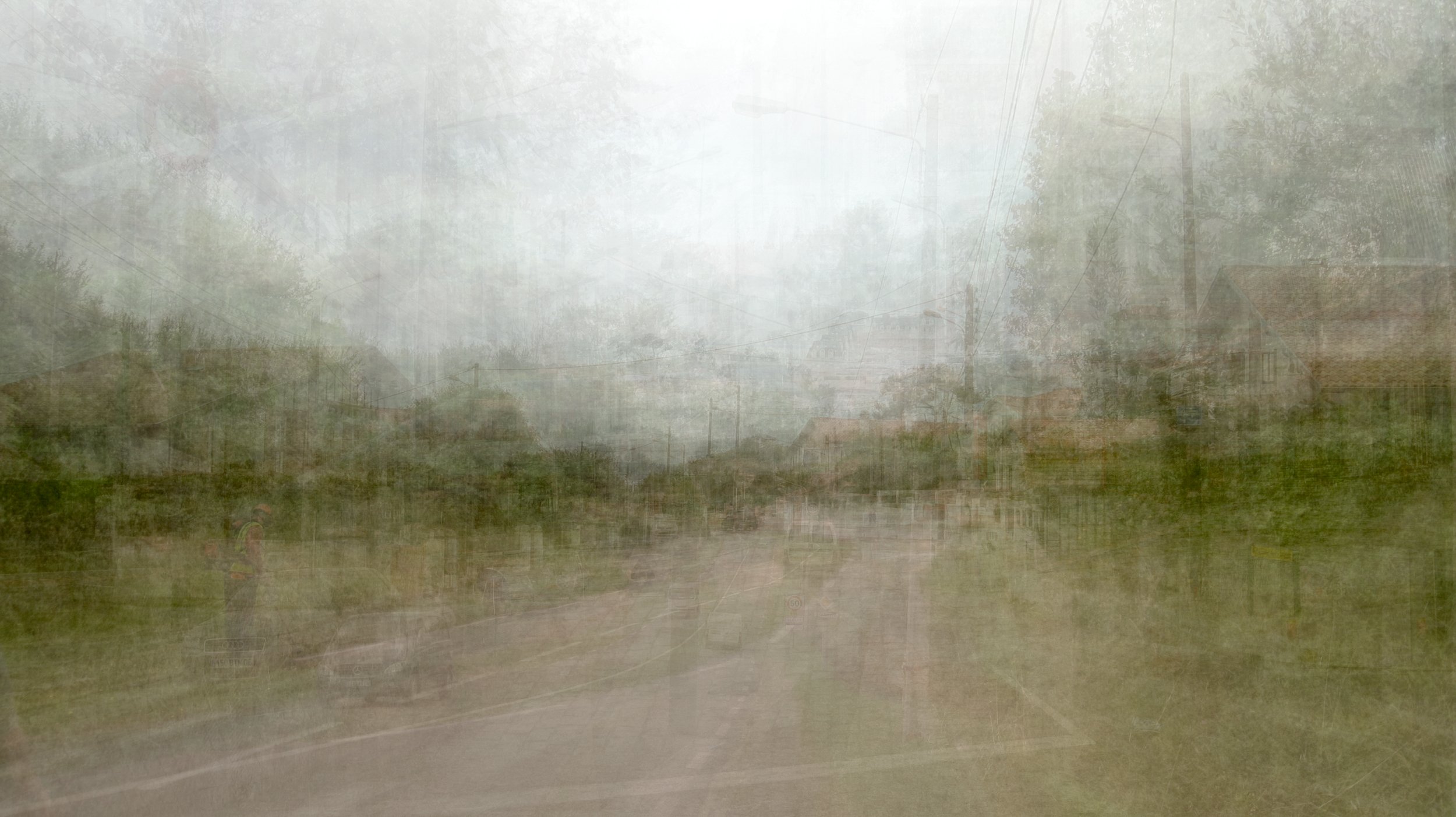
Day 1 (25 June 2016)

Day 2 (26 June 2016)
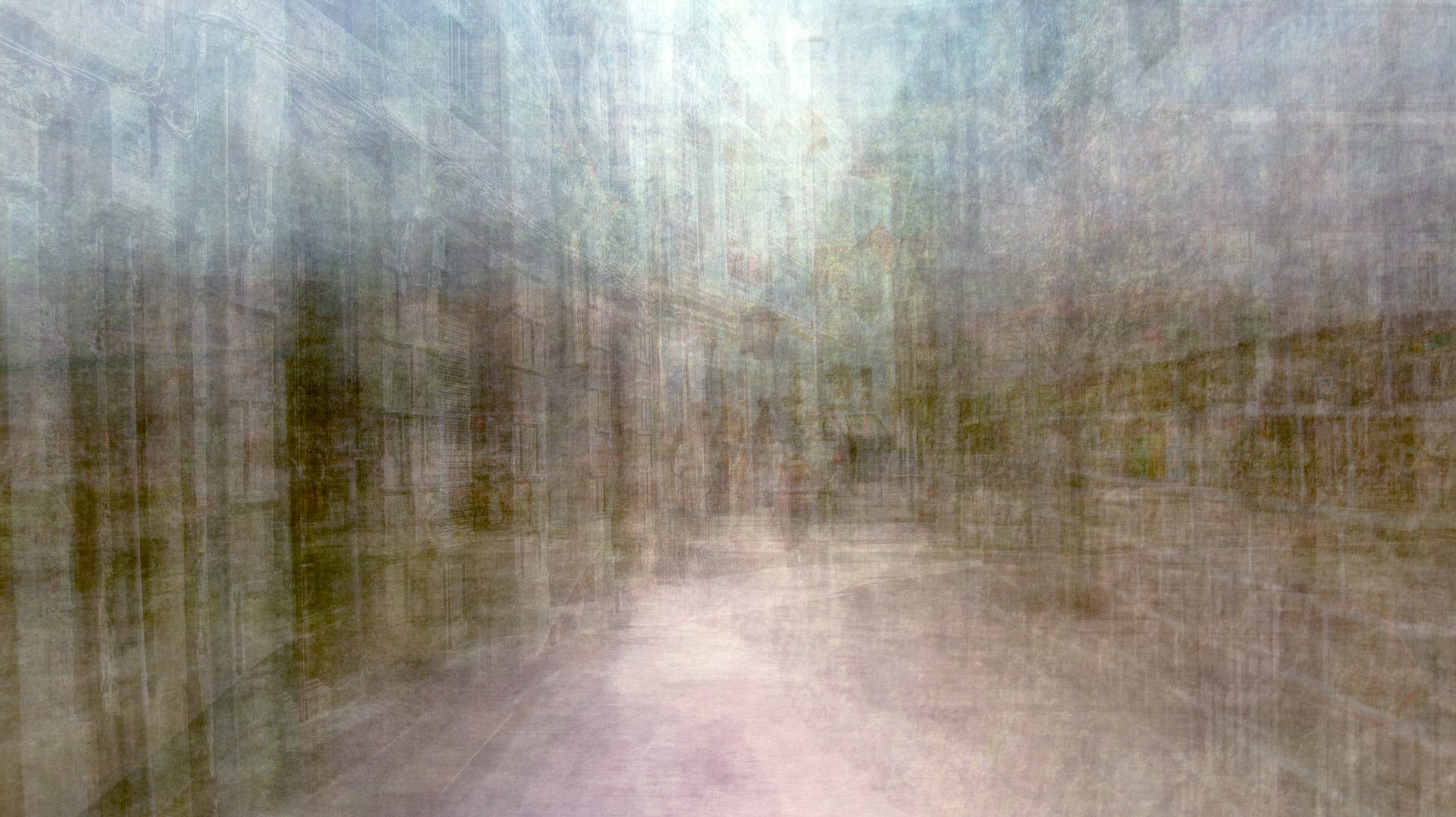
Day 3 (27 June 2016)
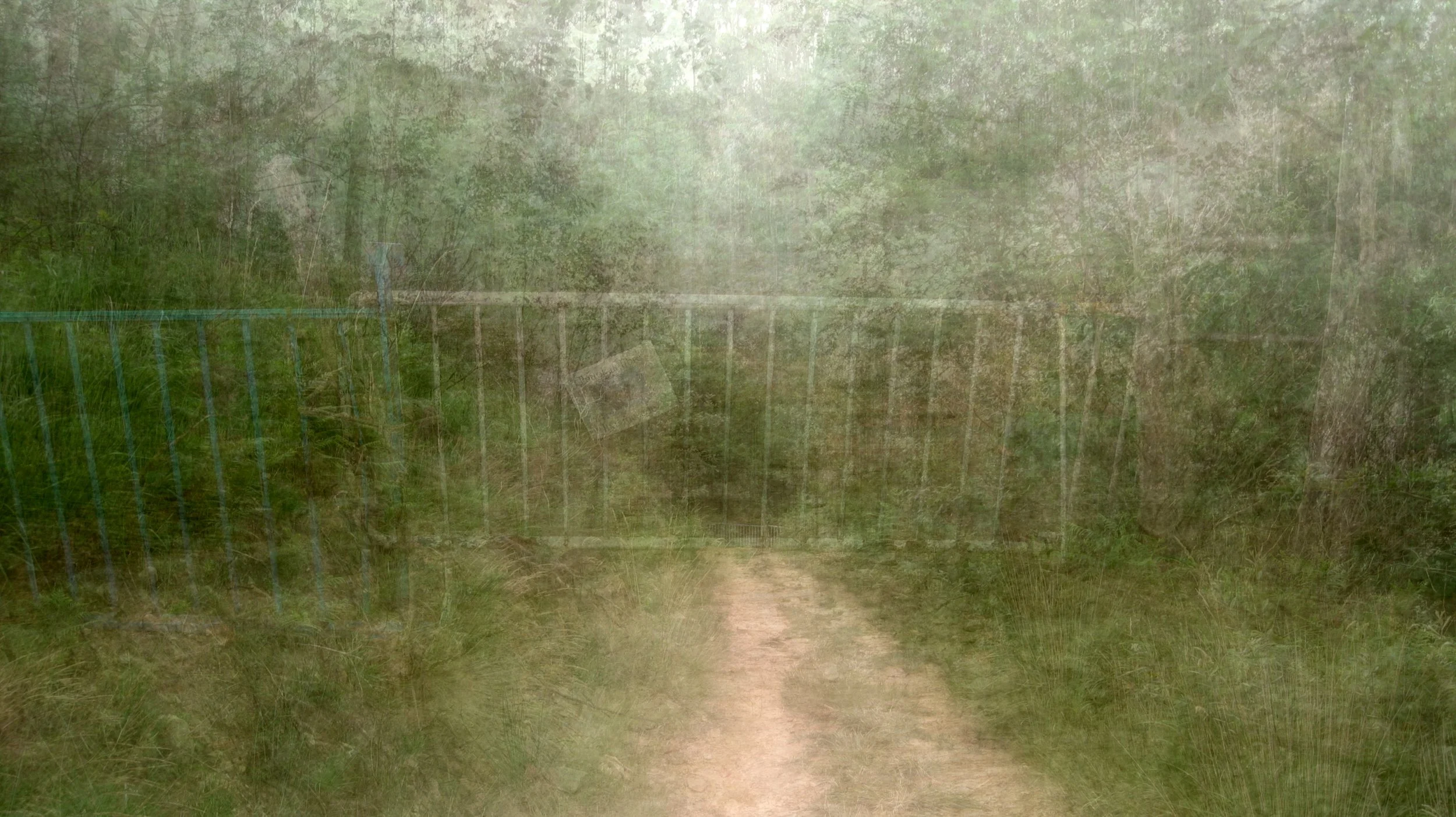
Day 4 (28 June 2016)

Day 5 (29 June 2016)

Day 6 (30 June 2016)

Day 7 (1 July 2016)

Day 8 (2 July 2016)

Day 9 (4 July 2016)

Day 10 (6 July 2016)

Day 11 (7 July 2016)

Day 12 (8 July 2016)
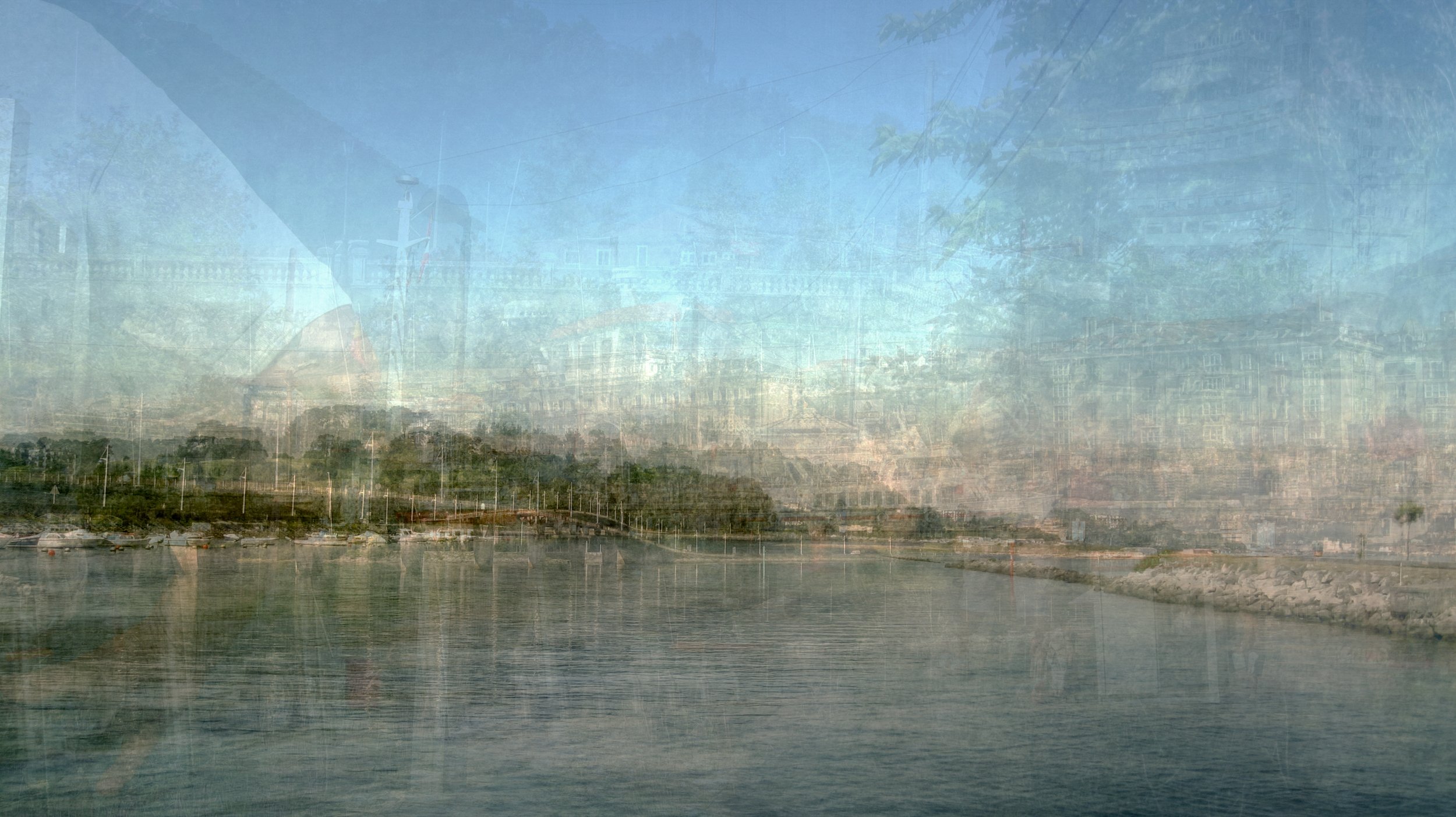
Day 13 (9 July 2016)
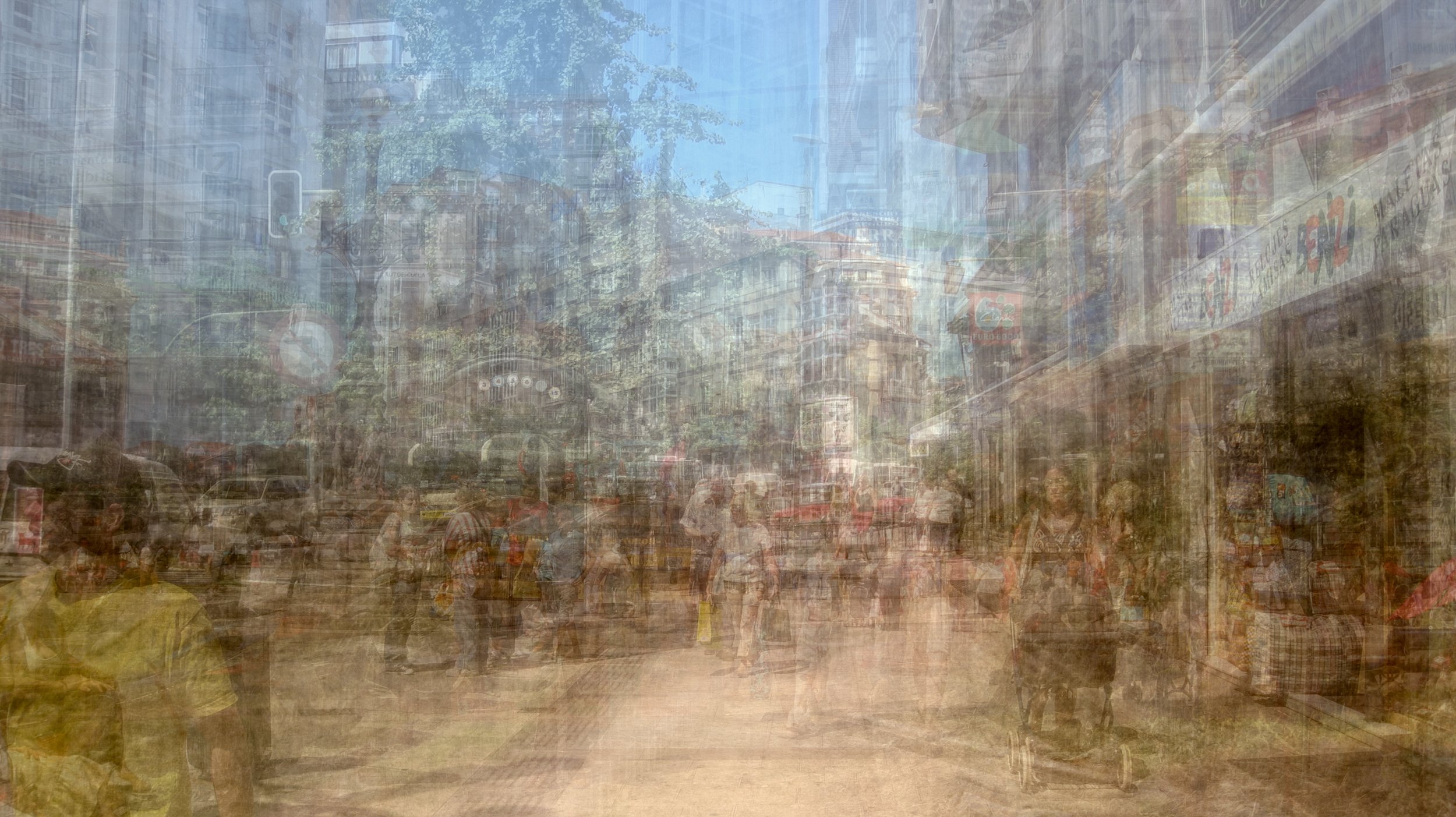
Day 14 (10 July 2016)

Day 15 (11 July 2016)
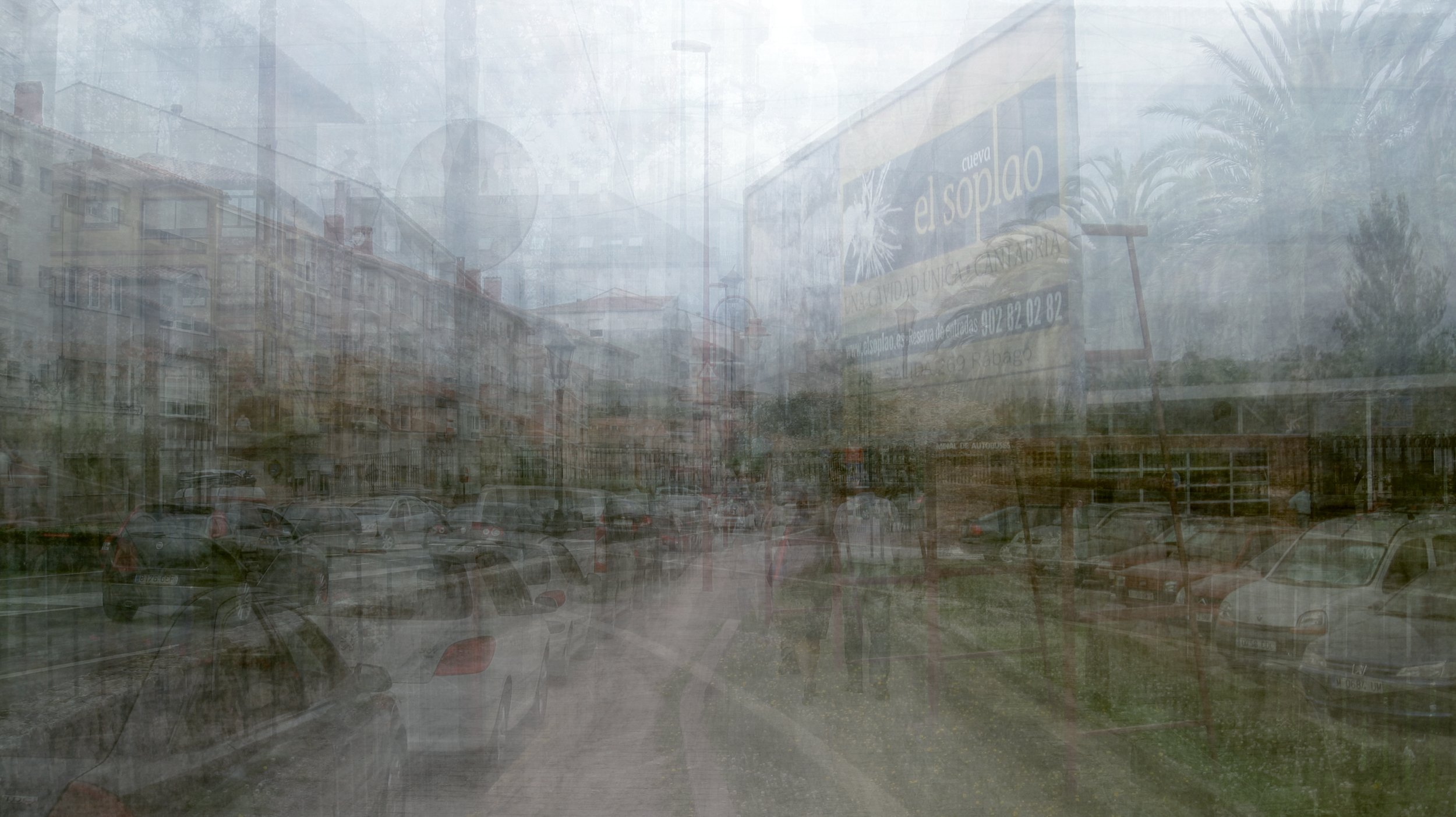
Day 16 (12 July 2016)
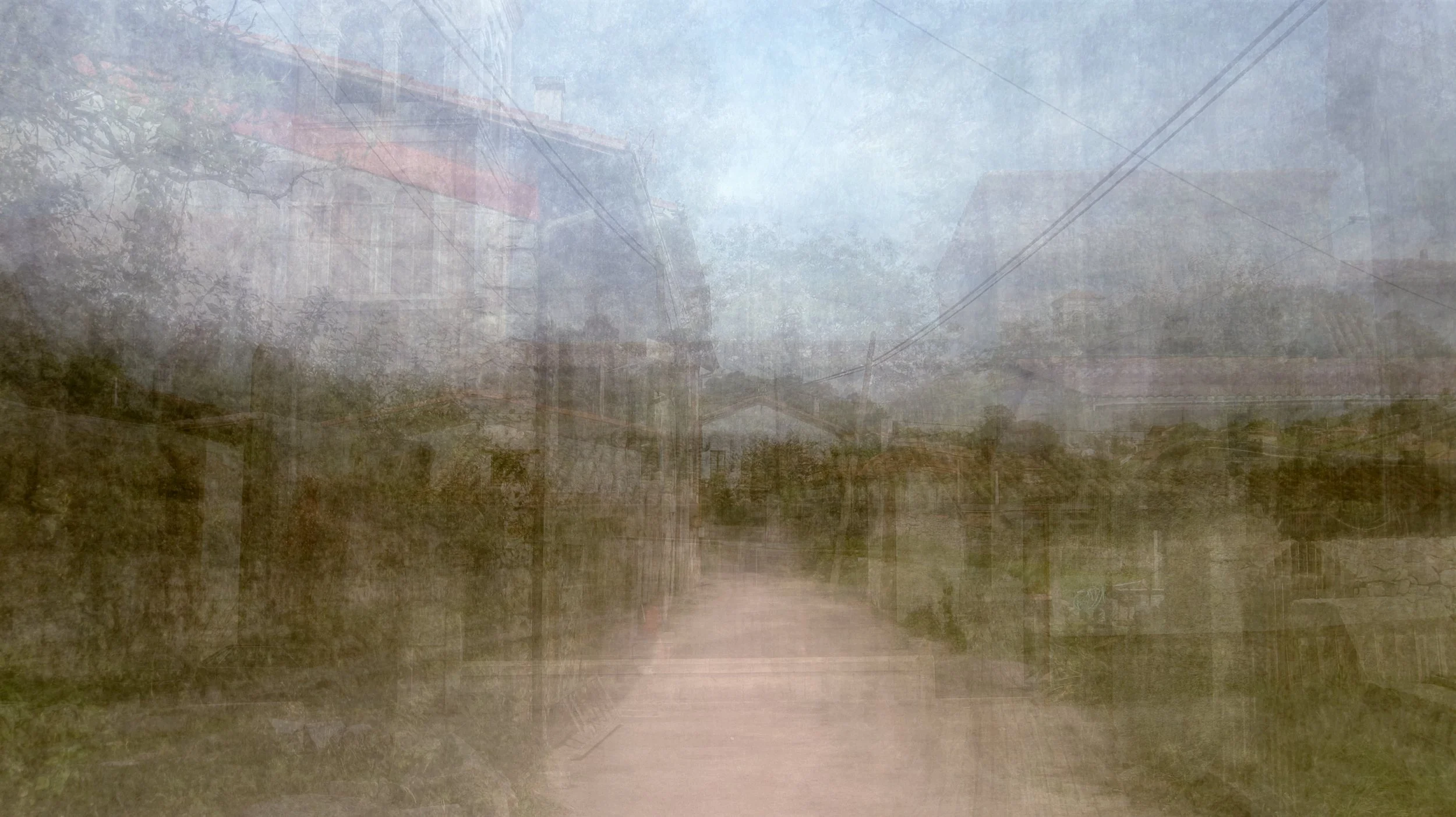
Day 17 (13 July 2016)
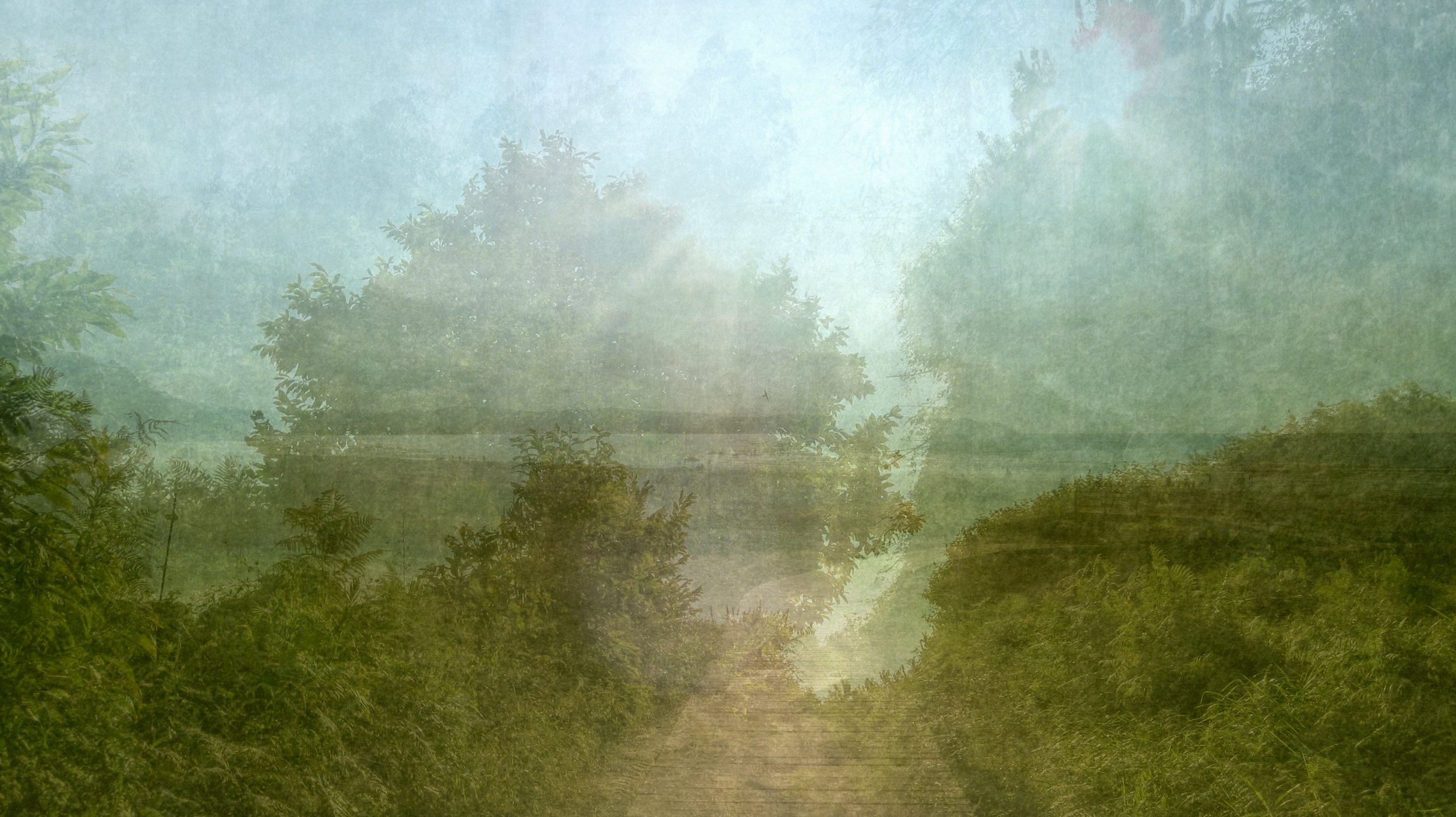
Day 18 (14 July 2016)
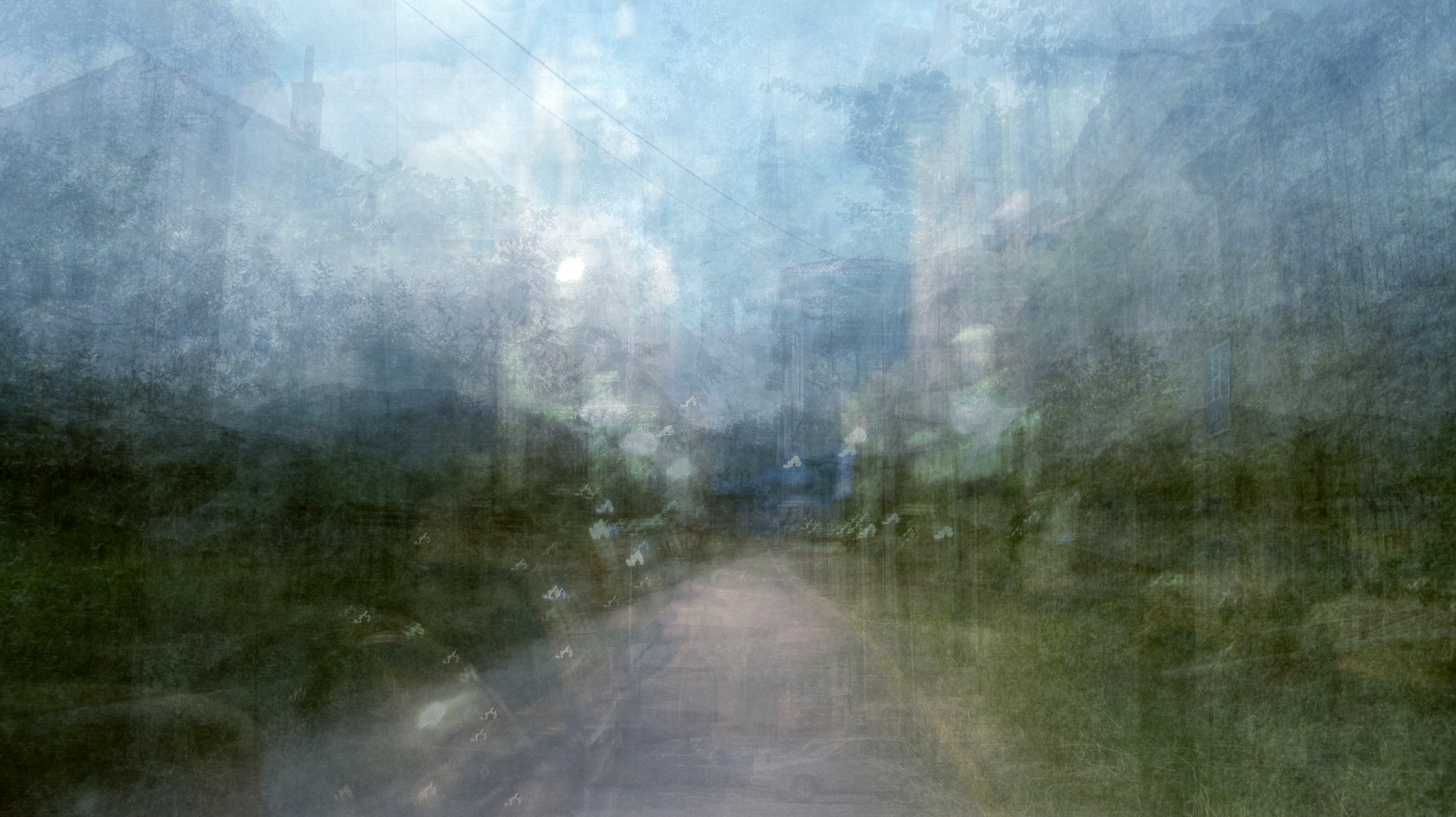
Day 19 (15 July 2016)
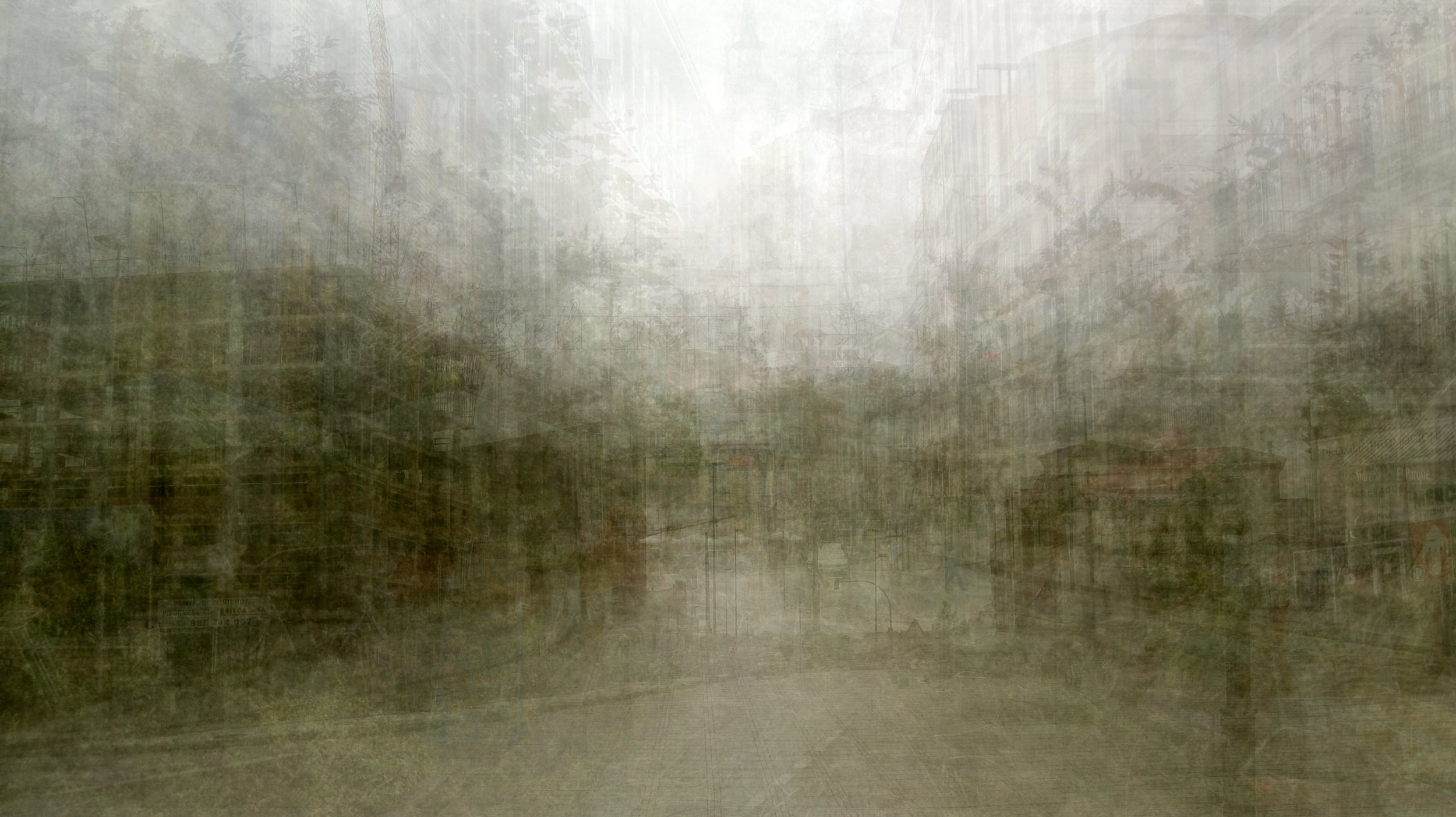
Day 20 (16 July 2016)

Day 21 (17 July 2016)

Day 22 (19 July 2016)
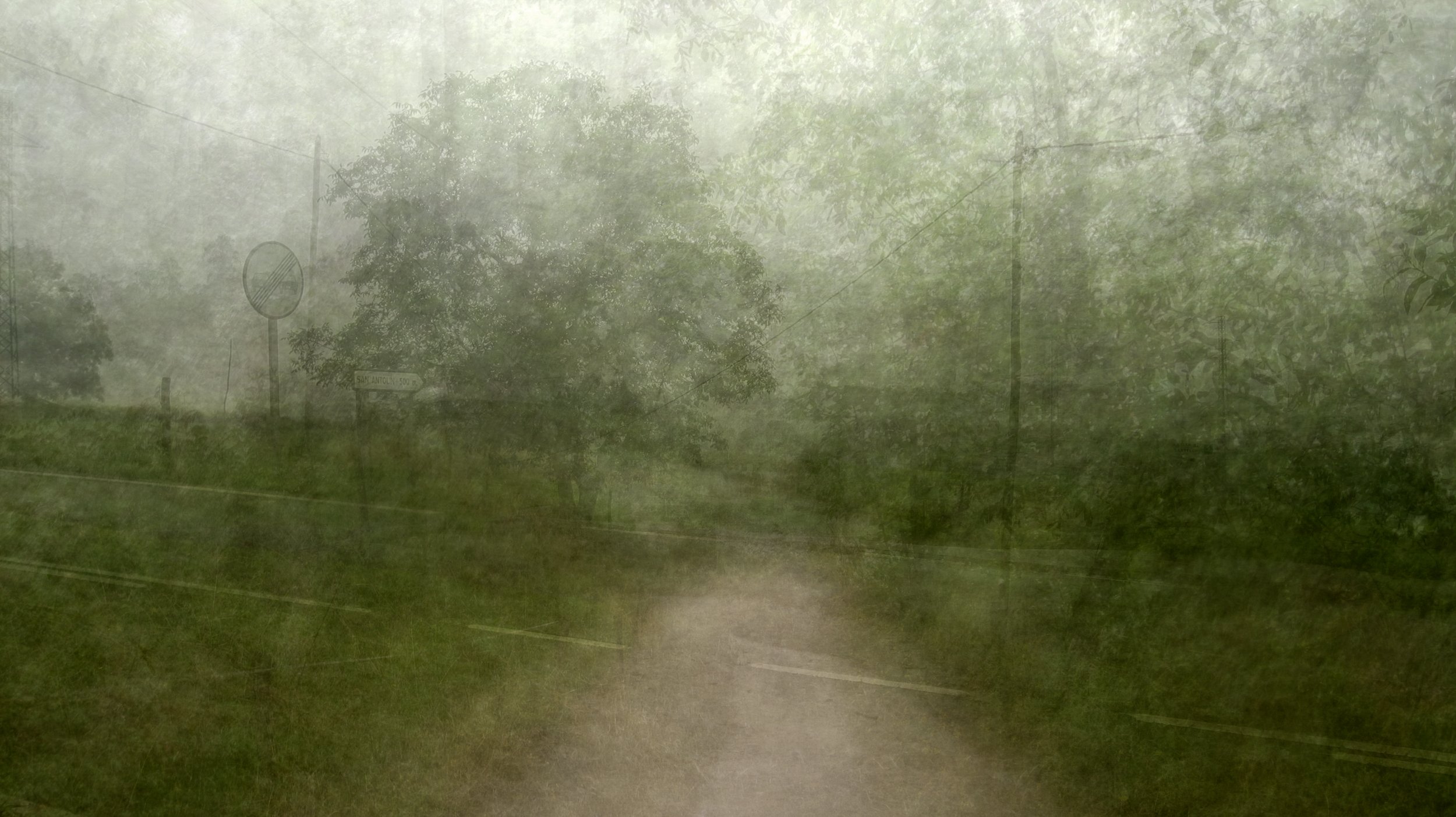
Day 23 (20 July 2016)

Day 24 (21 July 2016)

Day 25 (22 July 2016)
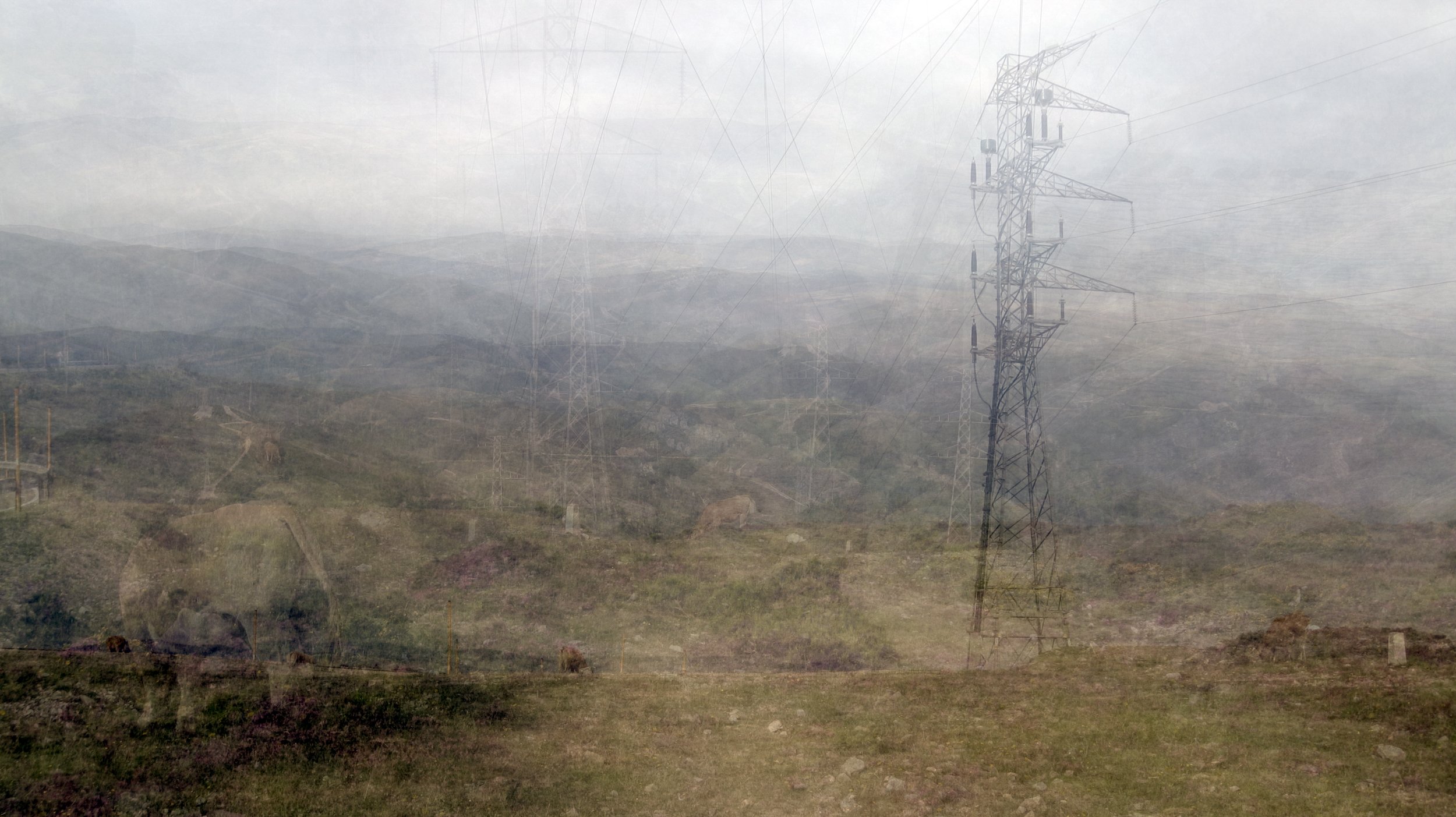
Day 26 (23 July 2016)

Day 27 (24 July 2016)
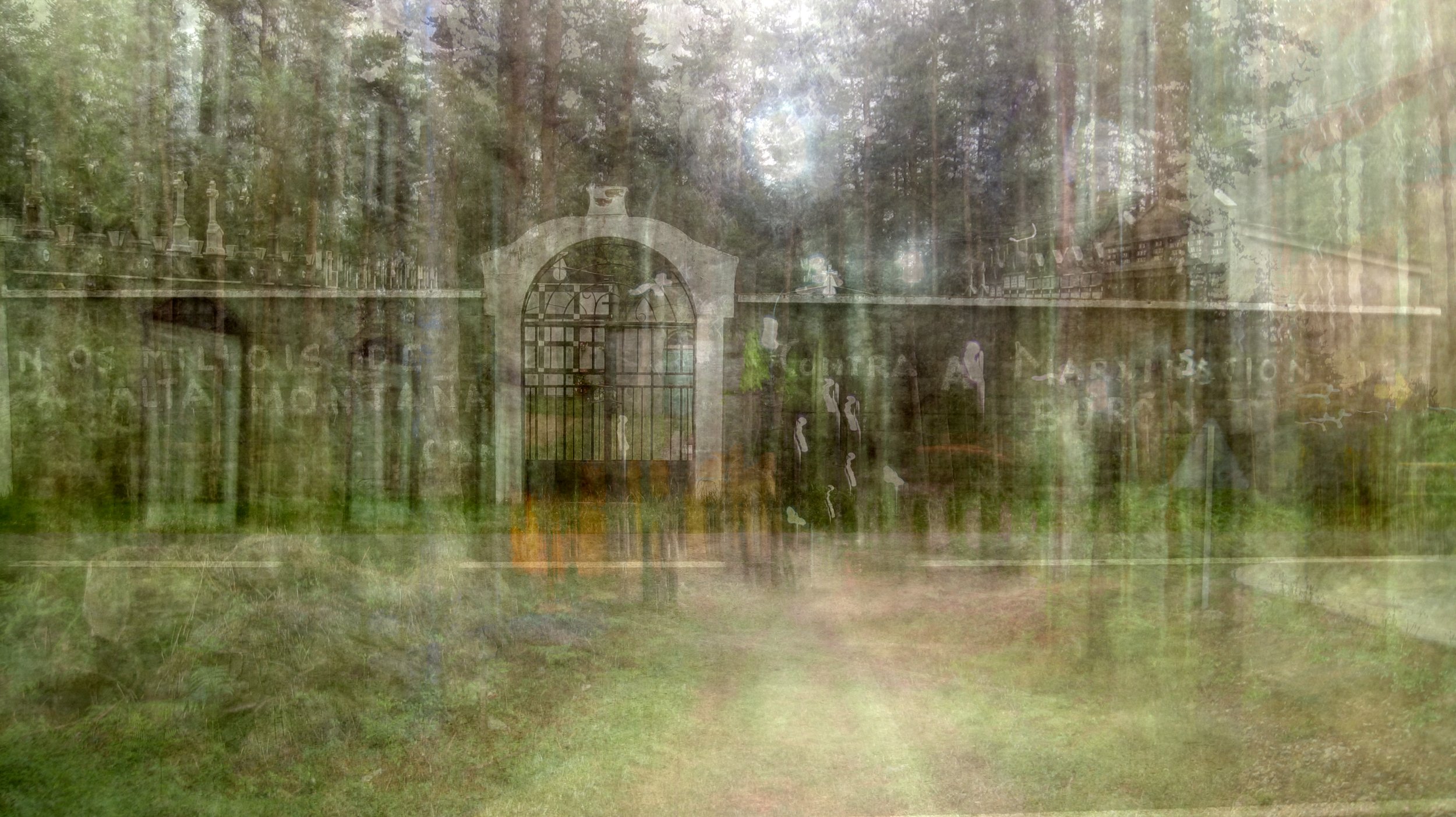
Day 28 (25 July 2016)
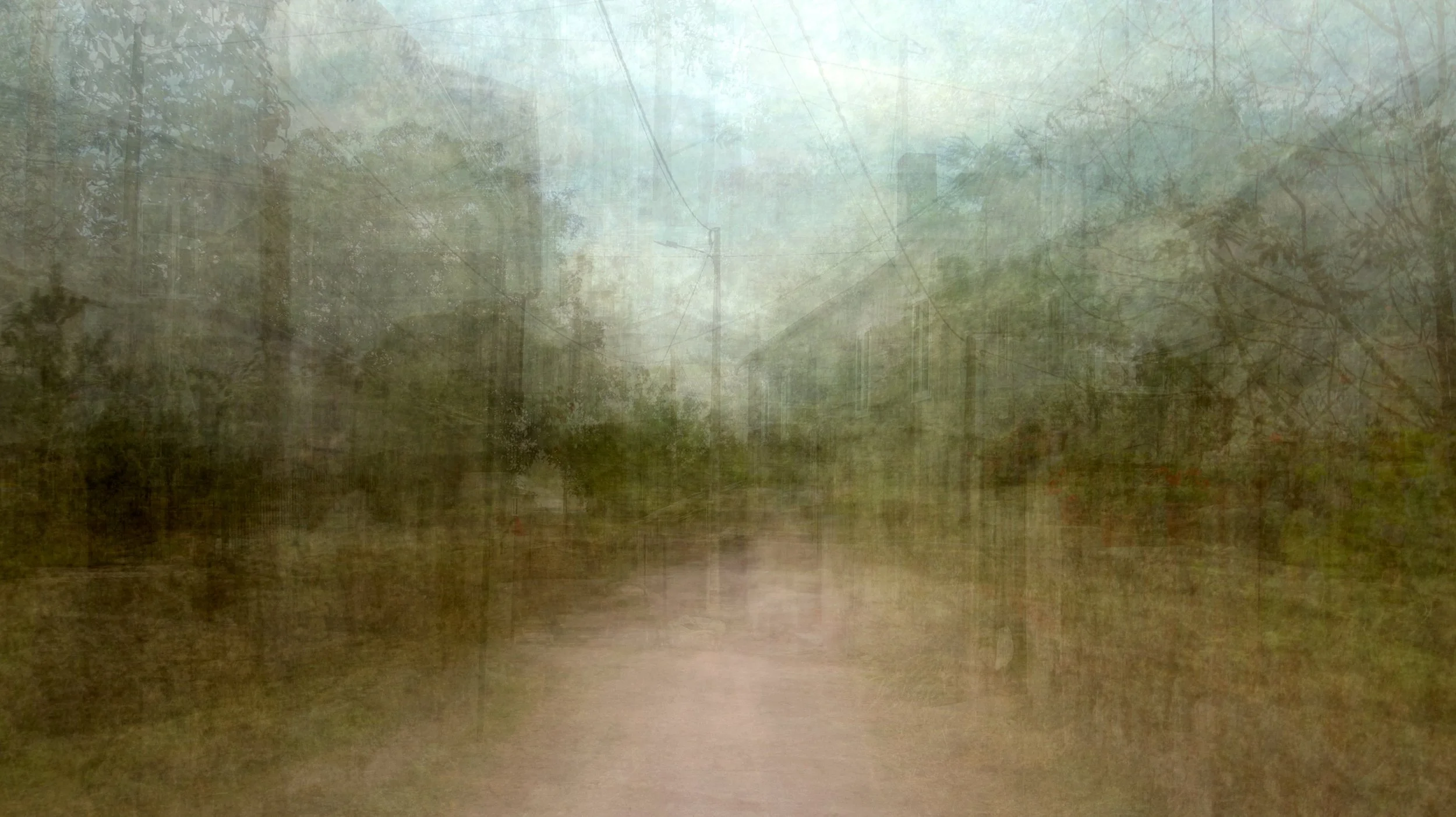
Day 29 (26 July 2016)

Day 30 (27 July 2016)

Day 31 (28 July 2016)
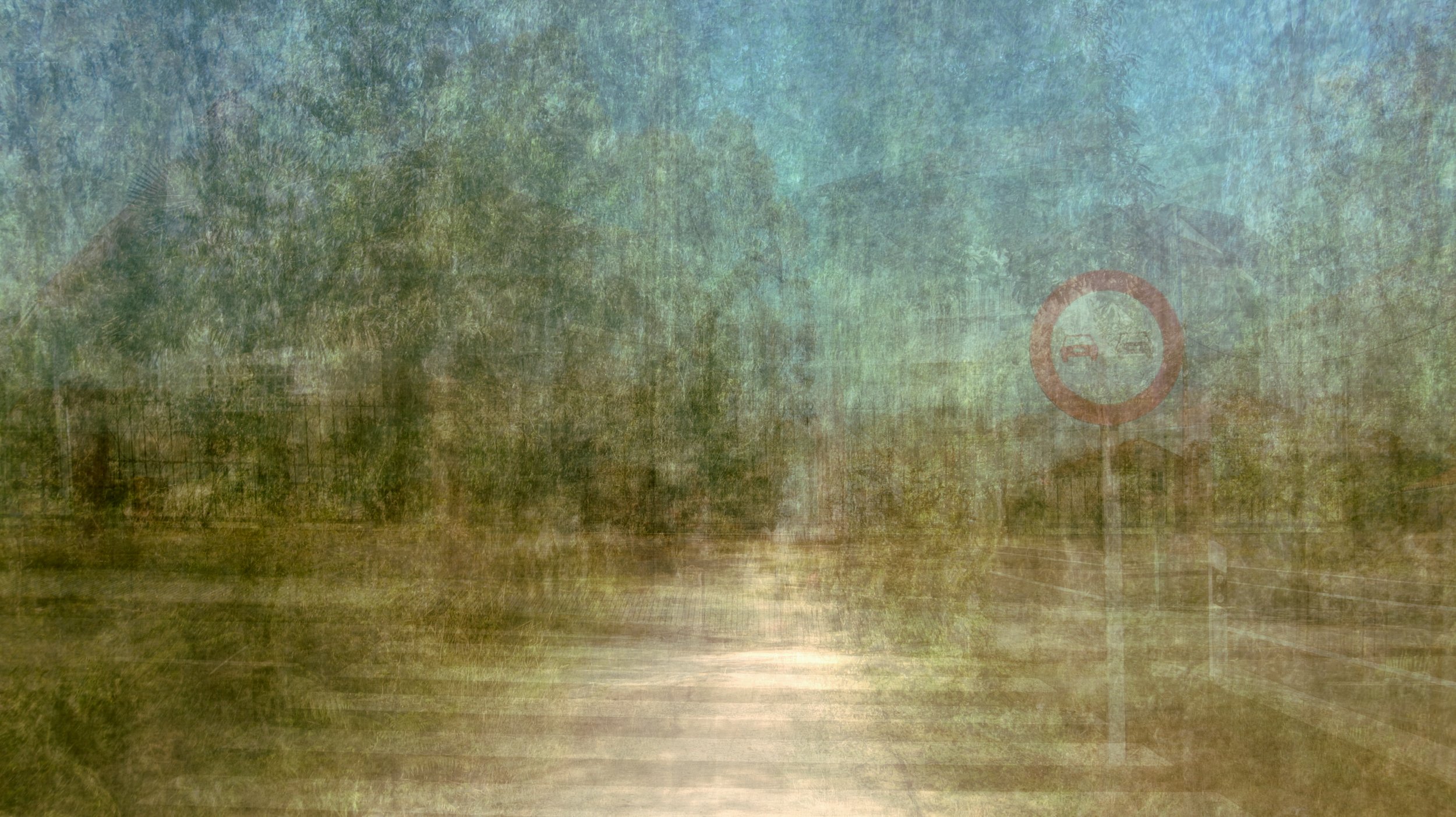
Day 32 (29 July 2016)

Day 33 (30 July 2016)
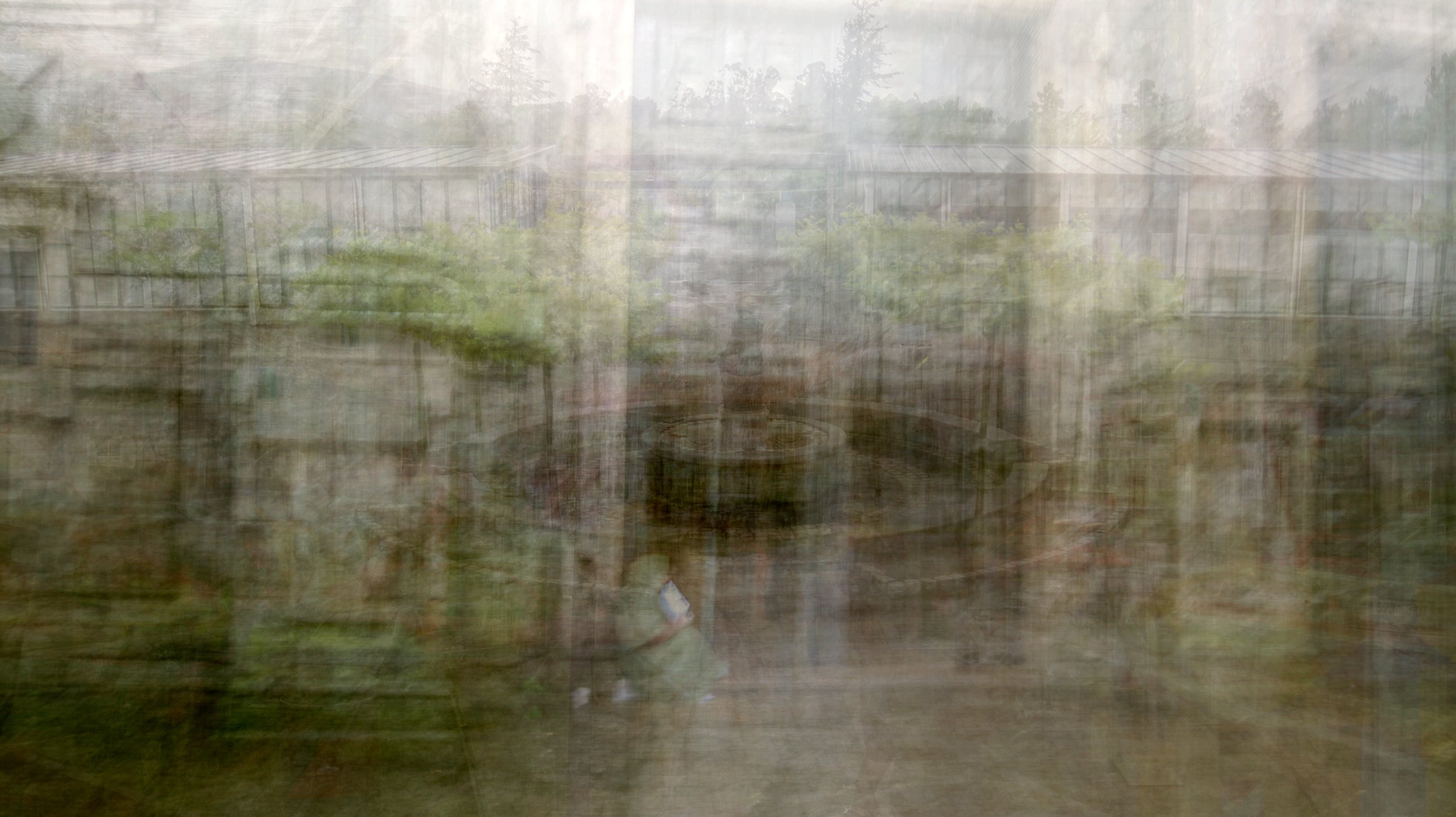
Day 34 (31 July 2016)
And on the Way We Shall Meet
2016
34 inkjet prints from composited digital photographs, 40.6 x 81.3 cm (16 x 32 in), edition of 3 + 1 AP.
Legend has it that the remains of the apostle St. James the Greater, executed in Jerusalem, were miraculously transported to Galicia and later buried in Santiago de Compostela, where a cathedral was built (1075-1211). By the late Middle Ages, Santiago had become the most significant Christian pilgrimage site after Jerusalem and Rome. In 1987, the Camino de Santiago was recognised as Europe’s first Cultural Route, symbolising a shared European identity. Several sections of the route have since been designated UNESCO World Heritage Sites, further increasing pilgrimage overtourism.
I became part of it when on 12 April 2016, I set off from my flat in Farnham, Surrey, following the North Downs Way to Dover where I boarded a ferry to Calais. I walked through France (Calais, Boulogne-sur-Mer, Abbeville, Amiens, Paris, Orléans, Tours, Poitiers, Bordeaux, and Bayonne) and northern Spain (Irún, San Sebastián, Bilbao, Santander, Gijón, Oviedo, Lugo) until I arrived in Santiago de Compostela on 31 July, having covered over 2,000 km in 110 days (with rests and occasionally using public transport). Using a digital compact camera, I took nearly 25,000 photographs of my journey, capturing the road ahead at every stop, bend, and crossing. I later composited the hundreds of photographs taken each day into a single image. The series presents the final stretch from Bayonne to Santiago, which I completed in 36 days.
While editing the photographs, I heard a BBC report announcing the demolition of the “Calais Jungle,” with its residents resettled, expelled, or dispersed. Built on industrial wasteland 4 km east of Calais ferry terminal, this migrant camp had been home to over 8,000 people, including children. Hoping to cross the Channel, many had travelled from the Middle East, Asia, and Africa, arriving by boat and often on foot along dangerous migration routes across the Mediterranean. Though the camp was less than an hour’s walk from where I had disembarked, and the migrants’ paths likely intersected with the Camino de Santiago, I had been oblivious of their pilgrimage, so close yet so distant from mine.
A fellow pilgrim on the Northern Way once explained to me the saying: Arrieros somos, y en el camino nos encontraremos—which I translated in my journal as “what goes around comes around.” In retrospect, this phrase took on new meaning and inspired the title of this work.
-
Secondo la leggenda, le spoglie dell’apostolo San Giacomo Maggiore, giustiziato a Gerusalemme, furono miracolosamente trasportate in Galizia e in seguito sepolte a Santiago de Compostela, dove fu costruita una cattedrale (1075-1211). Alla fine del Medioevo, Santiago era diventata la meta di pellegrinaggio cristiano più importante dopo Gerusalemme e Roma. Nel 1987, il Camino de Santiago fu riconosciuto come la prima “Cultural Route” d’Europa, a simbolo di un’identità europea condivisa. Diversi tratti del percorso sono stati successivamente inseriti tra i siti patrimonio dell’umanità dell’UNESCO, aumentando ulteriormente il fenomeno del turismo da pellegrinaggio.
Ne sono diventato parte quando, il 12 aprile 2016, sono partito dal mio appartamento a Farnham, Surrey, seguendo il North Downs Way fino a Dover, dove ho preso un traghetto per Calais. Ho attraversato la Francia (Calais, Boulogne-sur-Mer, Abbeville, Amiens, Parigi, Orléans, Tours, Poitiers, Bordeaux e Bayonne) e la Spagna settentrionale (Irún, San Sebastián, Bilbao, Santander, Gijón, Oviedo, Lugo) fino a raggiungere Santiago de Compostela il 31 luglio, dopo aver percorso oltre 2.000 km in 110 giorni (con soste e occasionalmente utilizzando i trasporti pubblici). Con una fotocamera digitale compatta ho scattato quasi 25.000 fotografie del mio viaggio, catturando la strada davanti a me a ogni tappa, curva e attraversamento. Successivamente, ho composti centinaia di fotografie scattate ogni giorno in un’unica immagine. La serie presenta l’ultimo tratto da Bayonne a Santiago, completato in 36 giorni.
Durante l’editing delle fotografie, ascoltai un reportage della BBC che annunciava la demolizione della “Calais Jungle,” con i suoi abitanti ricollocati, espulsi o dispersi. Costruito su un’area industriale abbandonata a 4 km a est del terminal dei traghetti di Calais, questo campo per migranti aveva ospitato oltre 8.000 persone, tra cui molti bambini. Sperando di attraversare la Manica, molti erano arrivati dal Medio Oriente, dall’Asia e dall’Africa, spesso viaggiando in barca o a piedi lungo pericolose rotte migratorie attraverso il Mediterraneo. Sebbene il campo si trovasse a meno di un’ora a piedi dal molo in cui ero sbarcato, e i percorsi dei migranti probabilmente si fossero incrociati con il Camino de Santiago, ero stato ignaro del loro pellegrinaggio, così vicino eppure così distante dal mio.
Un altro pellegrino sul Cammino del Nord mi spiegò una volta il detto: Arrieros somos, y en el camino nos encontraremos — che tradussi nel mio diario come “tutto torna indietro”. Col senno di poi, questa frase ha assunto un nuovo significato ed ha ispirato il titolo di quest’opera.